Event-based camera technology for imaging flow measurement and visualization
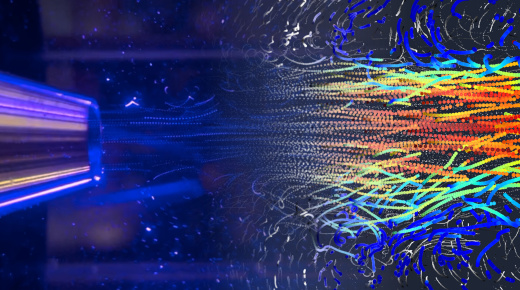
Discover how event-based vision technology is transforming flow diagnostics and real-time sensing. This video explains the principles behind dynamic vision sensing, its neuromorphic roots, and why it’s a game changer for fluid mechanics and beyond.
You’ll learn how event cameras differ from traditional frame-based systems, why their high dynamic range and microsecond responsiveness enable new research possibilities, and how they support applications from turbulence analysis to active flow control. See practical examples of real-time data processing and synchronisation for multi-camera setups.
Topics covered
- What event-based vision and dynamic vision sensing are
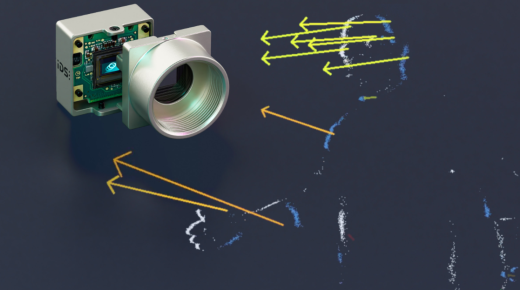
- How event cameras capture contrast changes instead of frames
- Key advantages: high dynamic range, low latency, and compact design
- Practical applications in flow diagnostics and turbulence research
- Real-time processing challenges and neural network integration
- Future potential for active flow control and spiking neural networks
Video timeline
- 00:00 - Introduction and agenda
- 02:52 - What is event-based vision (EBV)?
- 04:23 - Event-based vision versus frame-based imaging
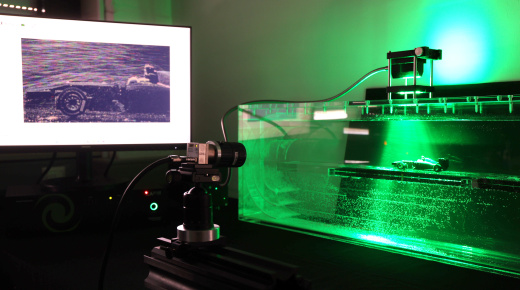
- 04:57 - Live demo: What does the event-based camera do?
- 06:08 - Experiments and measurements in flow diagnostics
- 08:24 - Event-based Imaging Velocimetry (EBIV)
- 09:00 - Various applications in the 3D field
- 12:34 - Use case "real-time event-based imaging velocimetry (RT-EBIV)"
- 14:27 - IDS uEye event-based camera in use
- 16:25 - Conclusion
- 18:42 - Q&A
Who should watch
This video is ideal for engineers, researchers, and developers working in machine vision, fluid mechanics, robotics, or AI who want to explore cutting-edge sensing technologies and their practical applications.
Watch now to uncover the future of vision technology and inform for more insights and start applying event-based sensing to your projects today!