Event-based imaging in the real world – use cases, integration, outlook
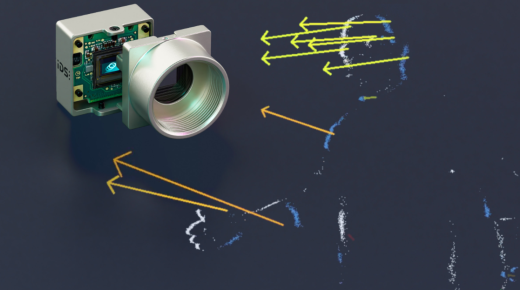
Discover how event-based vision sensors work and why they are transforming high-speed machine vision applications. In this video, IDS and Prophesee experts explain the differences between conventional frame-based imaging and event-based sensing, highlighting key benefits such as low data throughput, ultra-high temporal resolution and wide dynamic range.
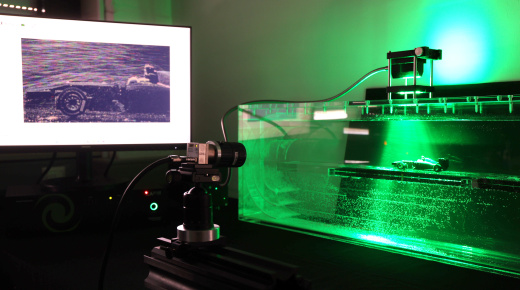
You’ll learn how event-based cameras capture only changes in light intensity, enabling efficient processing and precise detection of fast movements. The session also introduces the new hearth development platform and showcases practical industrial use cases, including particle monitoring, welding inspection and high-speed quality control.
Topics covered
- How event-based vision differs from frame-based imaging
- How asynchronous pixel activation improves efficiency
- Benefits of high dynamic range and microsecond timestamps
- Overview of the hearth development platform of Prophesee
- Practical industrial use cases for event-based cameras
Video timeline
00:00 - Introduction
00:30 - Event-based technology versus frame-rated technology
02:46 - What happens when you record a video?
04:42 - Result and tips of event-based imaging
07:12 - Licensing model of Prophesee
09:18 - Use case: particle size & distribution
10:25 - Use case: laser welding spatter
11:19 - Use case: high-speed continuous film, sheet metal inspection
12:16 - Use case: cable manufacturing, detection defects
13:09 - Use case: surface inspection
Who should watch
This live session is aimed at vision engineers, developers and system integrators who wish to evaluate EVS in their own applications and are looking for concise and practical knowledge.