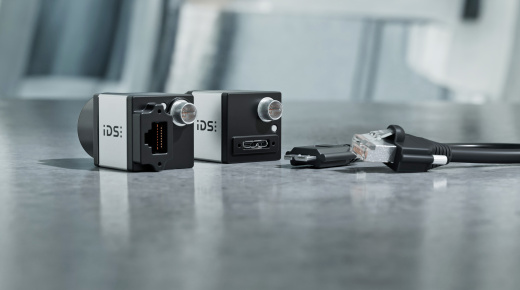
Benefits of 10 Gigabit Ethernet for high-speed machine vision
What makes 10 GigE the ideal interface for modern machine vision applications? In this video, we explore the advantages of 10 Gigabit Ethernet as a high-speed vision standard and why it’s becoming the go-to choice for demanding industrial environments. You’ll learn how 10 GigE compares to other vision standards, what factors influence interface selection, and why bandwidth, cable length, cost, and ecosystem availability matter. Discover practical insights into achieving faster data transmission, supporting large sensors, and maintaining reliability in high-speed production scenarios.
Topics covered
- Key benefits of 10 GigE for machine vision
- Comparison with other vision standards (USB, CoaXPress, Camera Link)
- How bandwidth and cable length impact performance
- Cost advantages through IT ecosystem integration
- Practical applications for high-resolution, high-speed imaging
- Why 10 GigE is future-ready for industrial automation
Video timeline
- 00:00 - Introduction
- 00:45 - Company introduction
- 02:10 - Why high bandwith?
- 02:30 - Camera interface considerations
- 04:35 - Standardized interfaces comparison
- 09:50 - Ethernet speed grades
- 11:10 - Larger sensor uEye Warp10
- 12:00 - Q&A
Who should watch
This video is ideal for vision engineers, system integrators, and decision-makers in industrial automation who need high-speed, reliable data transmission for advanced imaging applications.
Watch now to learn why 10 GigE is the smart choice for high-performance machine vision.