Industrial camera evolution and how to choose the right model
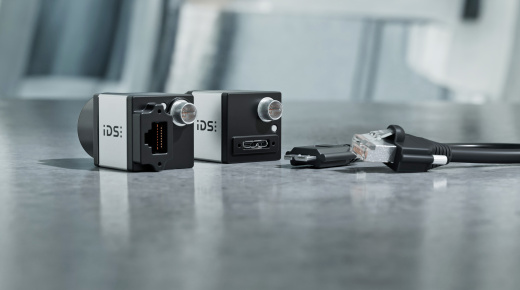
This video explains how industrial cameras have evolved from early analogue systems to today’s fully digital, standardised machine vision devices. You’ll learn why modern standards such as GenICam, USB3 vision and GigE vision matter, and how they simplify integration, configuration and long‑term compatibility.
The video also highlights which technical factors truly influence camera selection, beyond simple specification sheets. Using practical examples, it shows why application requirements, form factor, processing needs and feature implementation quality are essential when choosing the right industrial camera.
Topics covered
- Evolution from analogue to digital industrial cameras
- Key benefits of standardisation with GenICam and vision standards
- Differences in camera functionality, feature quality and form factors
- Why application requirements must define camera selection
- Real‑world example of camera choice in bioanalysis
- How IDS supports selection through the uEye+ portfolio
Video timeline
- 00:00 - Introduction and "the beginning"
- 00:41 - Analog cameras
- 02:02 - Digital cameras
- 03:16 - Machine vision standards
- 06:17 - Compatibility & interchangeability
- 07:26 - Additional consequences
- 08:29 - Easy comparison and selection
- 09:16 - Is this comparison useful?
- 10:42 - Camera form factor
- 11:38 - Quality of implementation
- 12:30 - Checking the requirements
- 12:55 - Application example: medical
- 14:12 - Summary
Who should watch
This video is ideal for engineers, system integrators, product designers and anyone involved in machine vision planning, camera evaluation or automation design.
Watch now to understand how modern machine vision cameras differ.